Introduction
In today’s fast-paced and highly competitive global market, companies constantly seek strategies to reduce costs, shorten delivery times, and increase overall productivity. One of the most powerful approaches to achieve these goals is Integrated Logistics. This concept goes beyond basic transportation or warehousing, covering the entire supply chain — from raw material procurement to final delivery. In industries such as steel and petrochemicals, integrated logistics not only reduces costs and accelerates delivery but also strengthens competitiveness.
What is Integrated Logistics?
Integrated logistics refers to the synchronization and coordination of all supply chain activities, including procurement, production, transportation, warehousing, distribution, and after-sales service. By leveraging digital technologies and data management systems, it organizes the flow of goods and information in the most efficient way, minimizing waste and maximizing performance.
Effects of Integrated Logistics on Industrial Productivity
- Supply Chain Optimization
- Data synchronization across production and distribution enhances forecasting accuracy and production planning.
- Prevents overstocking of raw materials or shortages of products in the market.
- Reduced Operational Costs
- Eliminates redundant activities in transport and warehousing.
- Use of optimized routes and technologies like GPS and IoT reduces fuel consumption and transport time.
- Faster Delivery
- Integrated processes ensure products reach the market more quickly.
- In industries such as steel, where timely delivery is critical to construction projects, this provides a significant competitive advantage.
- Improved Customer Service
- Real-time access to data and order tracking increases delivery transparency.
- Customers gain confidence and satisfaction when they can monitor their shipments.
The Role of Integrated Logistics in the Steel Industry
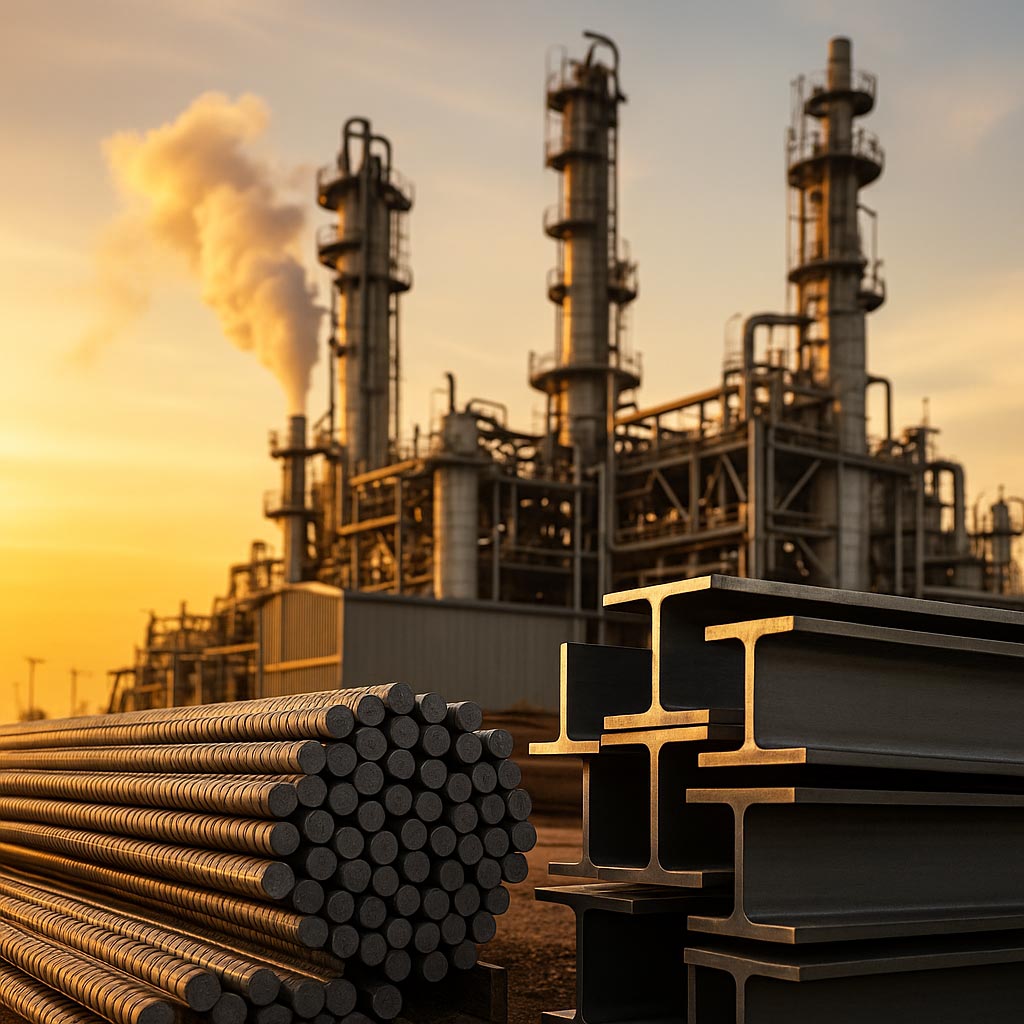
The steel industry, due to the bulk and heavy nature of its products, relies heavily on efficient logistics:
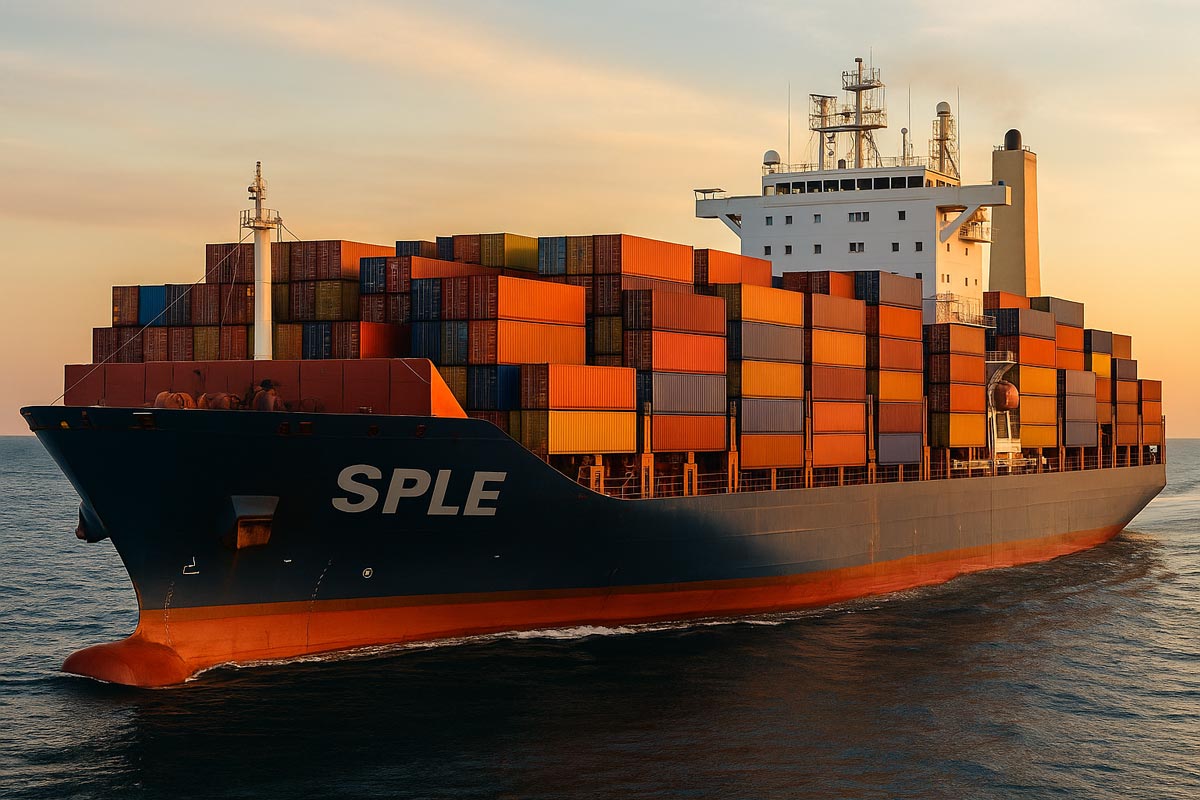
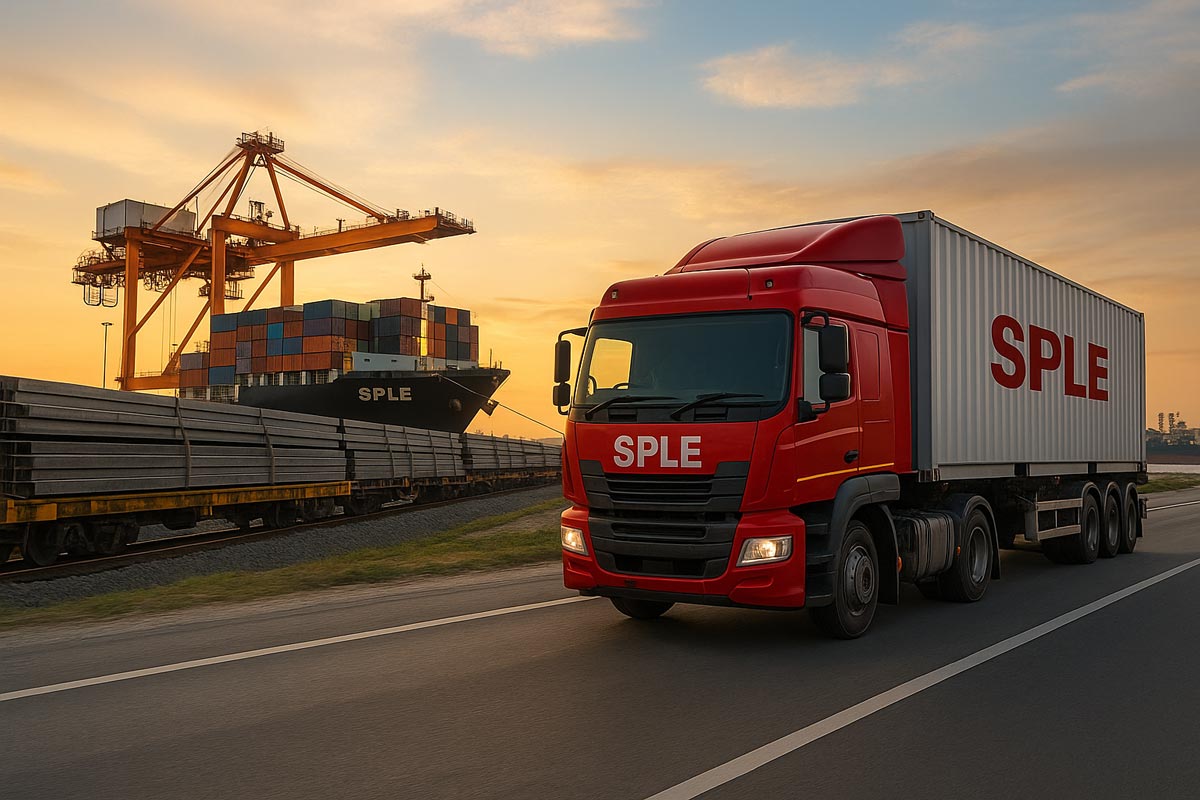
- Multimodal Transport: Simultaneous use of trucks, rail, and ships to move steel products domestically and internationally.
- Reduced Product Idle Time: Better inventory management ensures steel products spend less time in warehouses and more time in use.
- Support for Major Projects: Precise scheduling of deliveries for rebar, beams, and sheets prevents project delays.
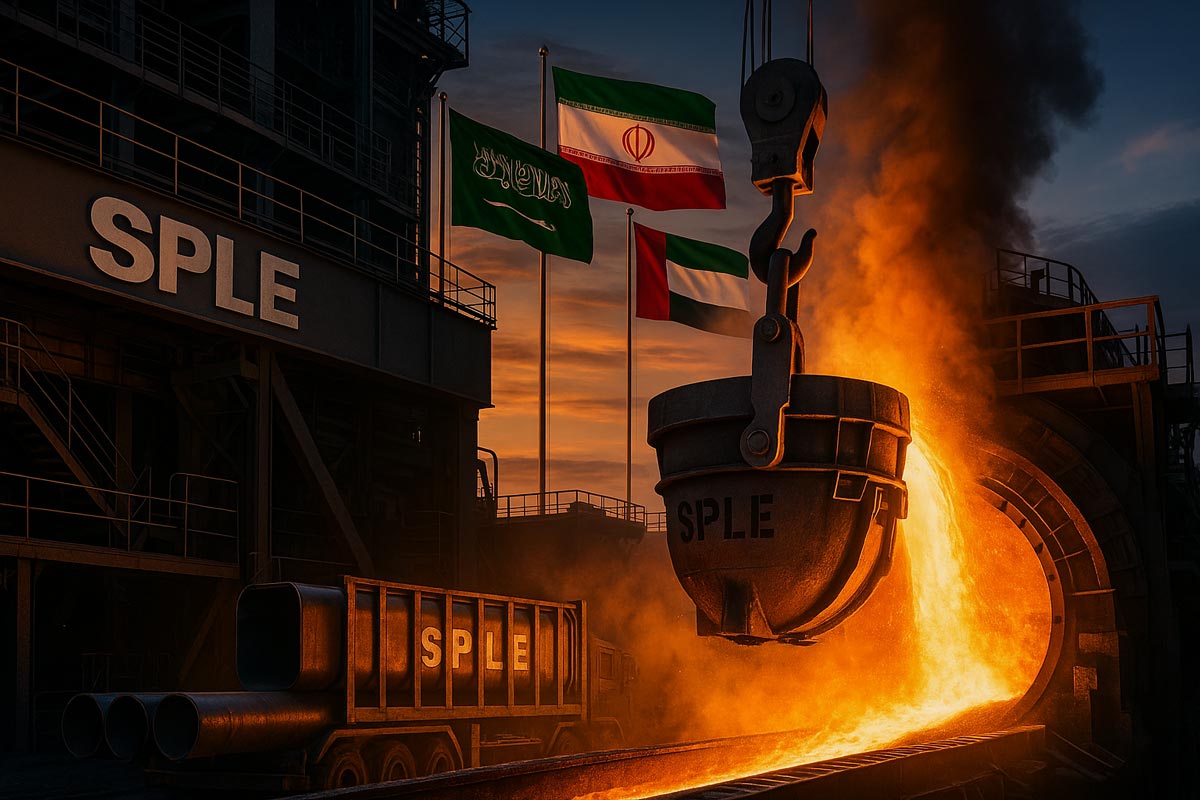
Example: In Iran, large steel companies using digital tracking systems for freight wagons have reduced delivery times to export ports by up to 20%.
The Role of Integrated Logistics in the Petrochemical Industry
Petrochemical industries, with their wide product diversity and high safety requirements, benefit significantly from integrated logistics:
- Safety in Transport: Real-time monitoring ensures hazardous chemicals are transported under proper safety standards.
- Export Management: Integrated logistics accelerates exports by coordinating shipping lines, customs, and port warehouses.
- Reduced Waste: Precise supply chain management ensures raw materials are promptly used in production, preventing spoilage or quality loss.
Example: Petrochemical complexes in the Gulf region using AI-powered logistics systems have reduced delays in export deliveries by 30%.
Modern Technologies in Integrated Logistics
- Artificial Intelligence & Machine Learning: Forecast demand and optimize transport routes.
- Internet of Things (IoT): Real-time monitoring of shipments, including temperature, pressure, and humidity.
- Blockchain: Ensures transparency and security in logistics transactions.
- Warehouse Automation: Robots and smart systems reduce warehousing costs.
Challenges and Solutions
- Challenge: Lack of multimodal infrastructure in some regions.
Solution: Joint investments by industries and governments in railways and ports. - Challenge: Organizational resistance to digital transformation.
Solution: Training and awareness programs to foster acceptance of new technologies. - Challenge: High initial implementation costs.
Solution: Gradual deployment and use of cloud-based platforms to reduce expenses.
Future of Integrated Logistics
By 2030, more than 70% of major industrial companies are expected to adopt digital integrated logistics systems. Logistics will no longer be a support activity but a strategic competitive advantage.
Conclusion
Integrated logistics enhances productivity by synchronizing the supply chain, cutting costs, accelerating delivery, and improving customer satisfaction. In industries like steel and petrochemicals, it serves as a backbone for competitiveness and sustainable development.
For more information and specialized consulting in this field, contact Sperloos Energy.
about
sperloos energy
We create value through quality products and reliable trade.