Introduction
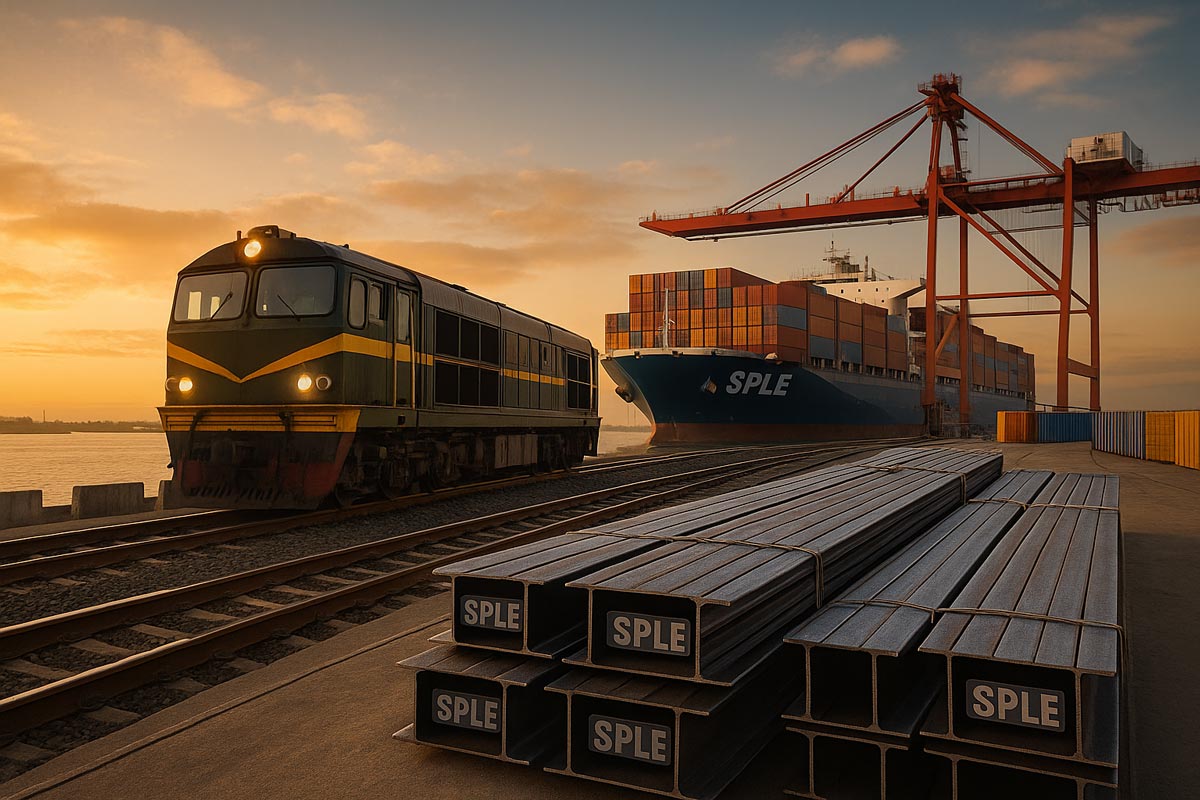
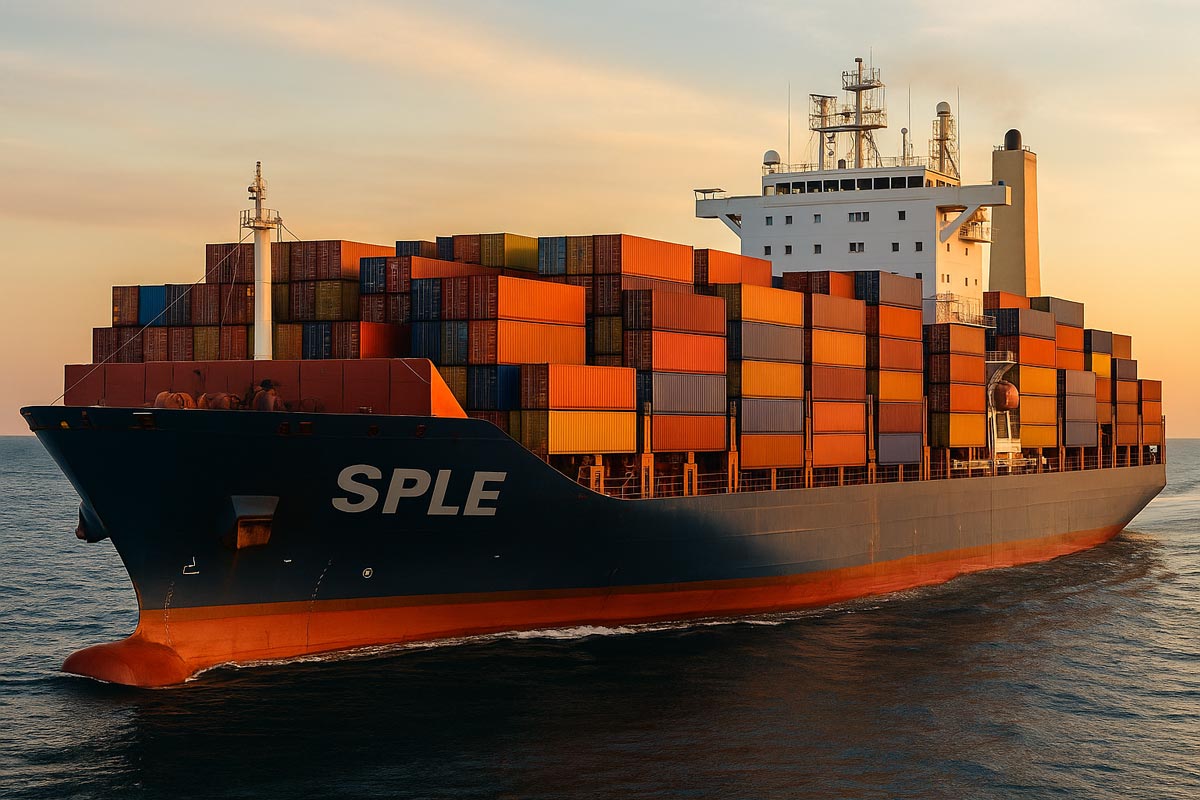
Maritime logistics, as the vital artery of international trade, covers more than 80% of global cargo movement. This sector not only plays a key role in connecting nations, but also determines the speed, cost, and security of global supply chains. From oil and gas to steel and consumer goods, maritime routes serve as the bridge linking markets together.
This article explores the importance of maritime logistics in global trade, modern trends, emerging technologies, key routes, and its special role in steel and energy exports.
Importance of Maritime Logistics in the Global Economy
- Handling the majority of cargo transportation: Over four-fifths of world trade moves by sea, thanks to ships’ ability to carry huge volumes at lower costs.
- Reducing transaction costs: Sea transport is generally cheaper than land and air, strengthening competitiveness.
- Connecting remote markets: Many island nations and landlocked economies rely entirely on maritime logistics for international trade.
Modern Trends in Maritime Logistics
- Supply chain integration
- Environmental sustainability (IMO 2020 regulations)
- Mega-ships with higher capacity
- Digitalization: blockchain, AI, IoT
- Smart ports: automation and robotics
New Technologies in Maritime Transport
- Autonomous ships
- AI-powered route planning
- IoT-enabled cargo monitoring
- Blockchain-based contracts
- Alternative fuels (LNG, hydrogen, renewables)
Main Global Shipping Routes
- Suez Canal (Asia–Europe link)
- Strait of Malacca (Indian–Pacific oceans)
- Panama Canal (Atlantic–Pacific bridge)
- Strait of Hormuz (energy exports)
- Northern Sea Route (emerging Arctic shortcut)
Role in Steel Exports
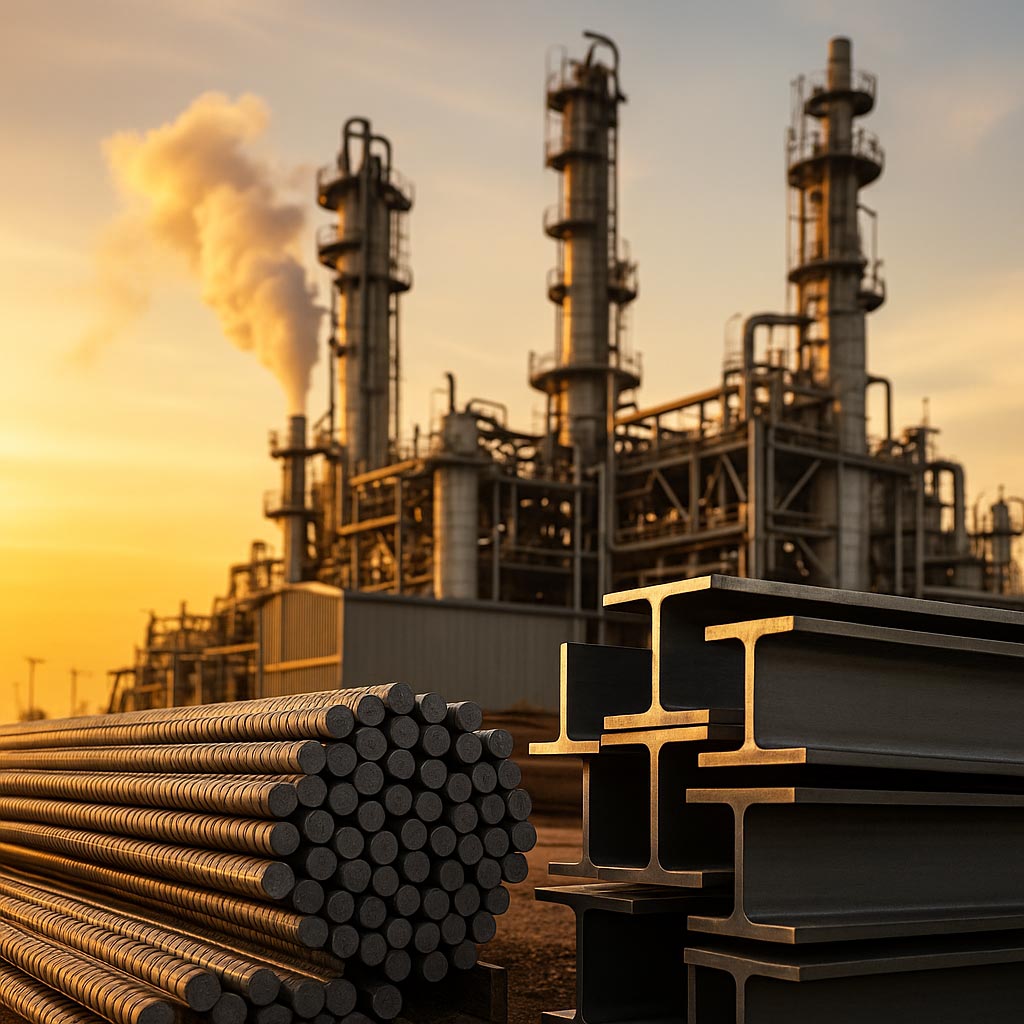
Steel, a backbone of infrastructure, relies heavily on maritime logistics:
- Cost efficiency for bulk exports
- Access to global markets
- Enhancing international competitiveness
Role in Energy Exports
- Oil and LNG carriers transport most of the world’s energy
- Strategic reliance on routes like Hormuz and Bab el-Mandeb
- Advanced storage and fueling technologies improve safety
Challenges Ahead
- Piracy and geopolitical risks
- Fuel price fluctuations
- Environmental regulations
- Climate-related disruptions
Future Outlook
The future of maritime logistics will be shaped by innovation, digitalization, and sustainability. Smart ships, digital ports, and renewable-powered vessels will transform the industry.
Conclusion
Maritime logistics remains the backbone of global trade, especially in steel and energy exports. Those who invest in innovation and secure logistics will maintain a strong competitive edge.
👉 For tailored logistics and international export solutions in steel and energy, contact Sperloos Energy today
about
sperloos energy
We create value through quality products and reliable trade.