Introduction
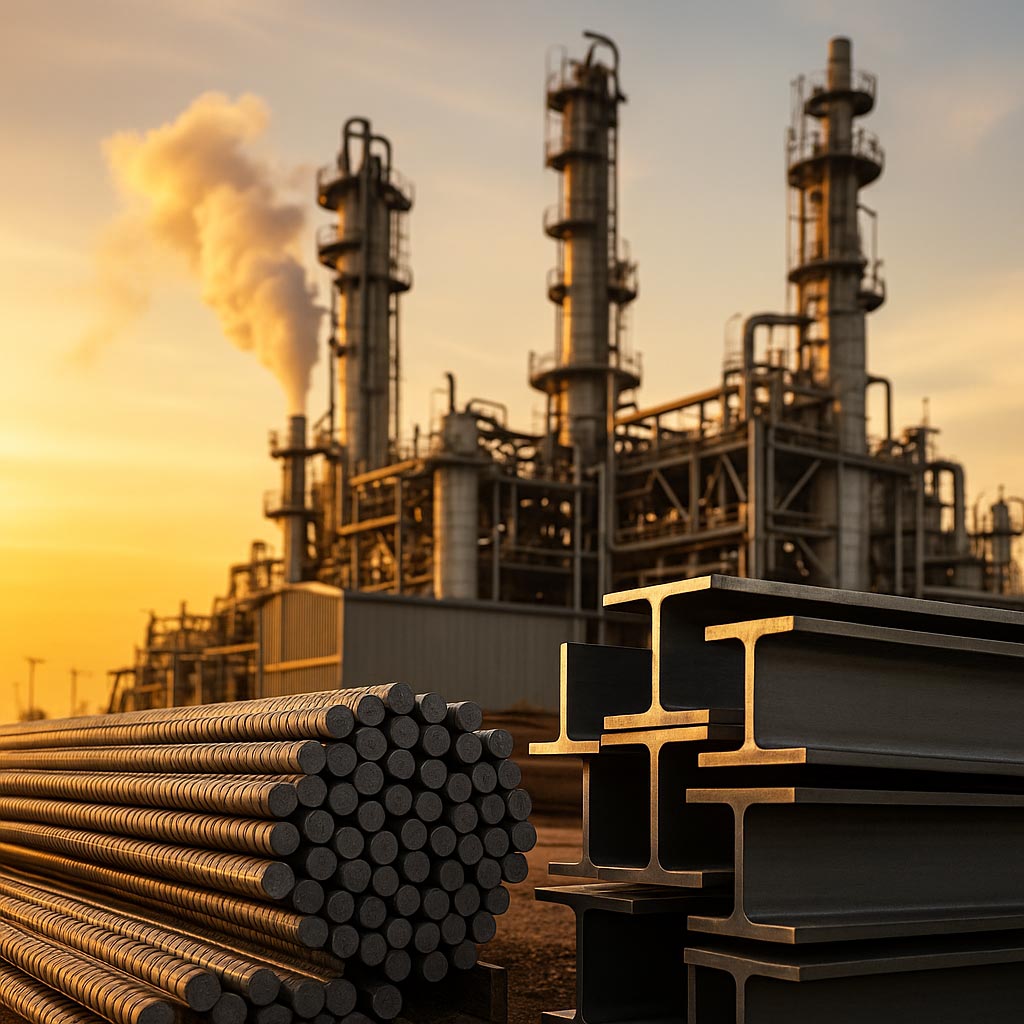
Steel is one of the most strategic industrial commodities in the world. Due to its crucial role in infrastructure development, automotive industries, construction, energy, and industrial equipment, the global trade of steel has gained remarkable importance. Analyzing steel export trends not only illustrates the economic status of countries but also highlights the opportunities and risks ahead for producers and exporters.
This article examines global trends in steel exports, target markets, Iran’s role, as well as the associated risks and opportunities.
- Global Production and Export Status
According to the World Steel Association (WSA), global crude steel production in 2023 exceeded 1.8 billion tons. More than 50% of this output belongs to China. Following China, India, Japan, the United States, and Russia are recognized as major producers.
A considerable portion of this production enters the export cycle. East Asian countries (particularly China, Japan, and South Korea) hold a significant share of global steel exports, while countries such as the United States, the European Union, and some Middle Eastern nations are major importers.
- Key Trends in Global Steel Exports
- a) Shifting Trade Balance in Asia
China has been the world’s largest steel exporter over the past two decades. However, its domestic policies to reduce pollution and prioritize local consumption have decreased its export share, opening space for other countries such as India and Vietnam. - b) Growing Demand in the Middle East and Africa
Massive infrastructure projects in Middle Eastern countries (such as Saudi Arabia and the UAE) and expanding infrastructure in Africa have turned these regions into attractive steel import markets. - c) Increasing Trade Regulations and Tariffs
The U.S. and the European Union have implemented tariffs and anti-dumping policies, influencing global steel markets. While this increases competition, it also creates opportunities for regional producers. - d) Technology and Advanced Products
High value-added steel products, such as stainless steels and specialty grades for automotive and energy industries, are gaining a larger share in exports. - Target Markets for Steel Exports
- Europe: A traditional importer with strict requirements for quality and standards.
- Middle East: Constant demand for rebar, beams, and steel sheets due to ongoing infrastructure and construction projects.
- Africa: An emerging market with rapid growth in demand for construction steel.
- Asia: Countries like Indonesia, Malaysia, and Vietnam are increasingly boosting imports.
- United States: Despite protectionist policies, it remains a key export destination.
- Iran’s Role in Steel Exports
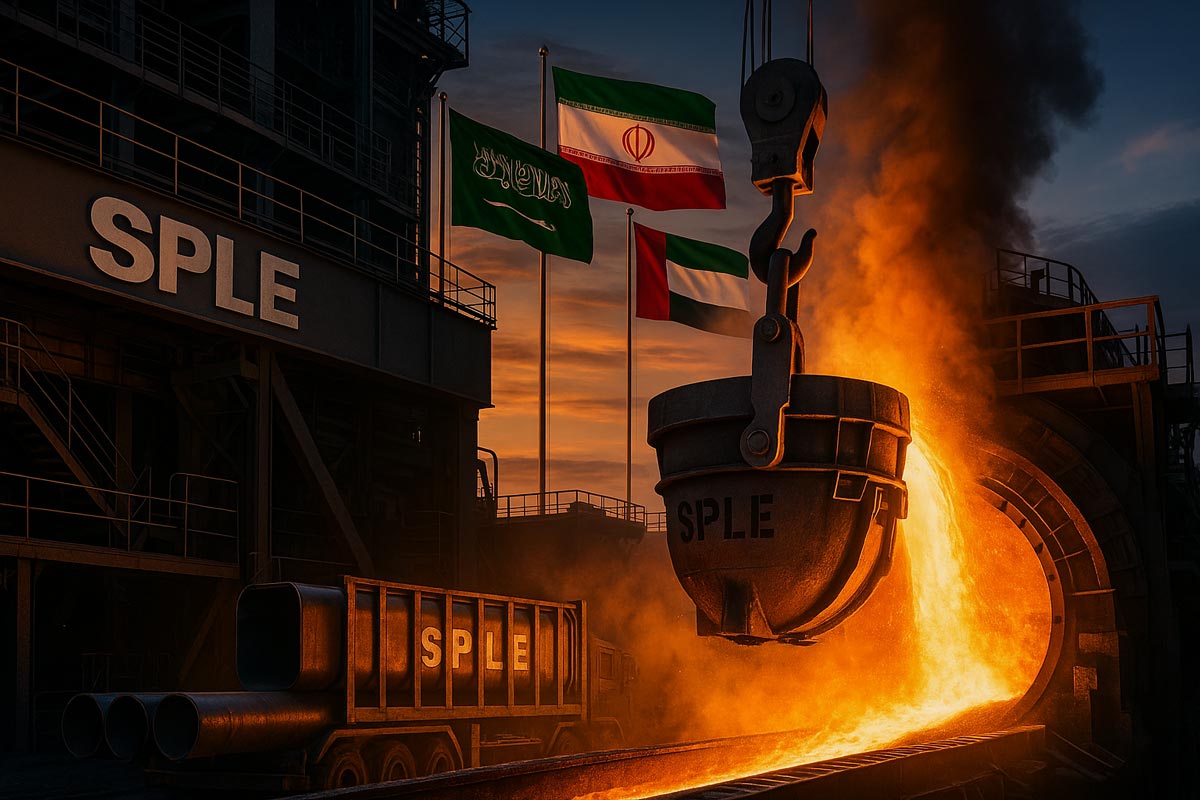
Iran ranks among the top 10 global steel producers, with significant export capacity. In recent years, Iran has expanded its exports to neighboring countries (Iraq, Afghanistan, Turkey) as well as farther destinations (China and GCC states).
Iran’s Advantages:
- Rich iron ore resources and relatively cheaper energy.
- Strategic geographical location, giving access to Asian and European markets.
Challenges:
- International sanctions limiting financial and logistic channels.
- Transportation and insurance difficulties.
- Need for technology upgrades to produce high-grade and specialized steels.
- Risks in Global Steel Trade
- Price Fluctuations: Volatility in raw materials and energy prices strongly affects steel markets.
- Political Tensions and Sanctions: Geopolitical issues may restrict export routes.
- Intense Competition: Countries like China and India offer cheaper steel, intensifying competition.
- Environmental Risks: Growing global pressure to reduce carbon emissions could limit high-carbon steel exports.
- Future Opportunities in Steel Exports
- Development of Green Steel: Countries investing in clean energy and low-carbon steel production will gain an export advantage.
- Rising Demand in Developing Countries: Economic growth in Africa and Southeast Asia creates new market potential.
- International Joint Ventures: Collaborating with global companies allows access to advanced technologies and broader markets.
- Product Diversification: Expanding into specialized steels for petrochemical, automotive, and renewable energy industries strengthens export positioning.
- Strategies to Boost Iran’s Export Share
- Investing in modern steelmaking technologies.
- Building integrated maritime and land logistics to reduce shipping costs.
- Establishing long-term supply contracts with target markets.
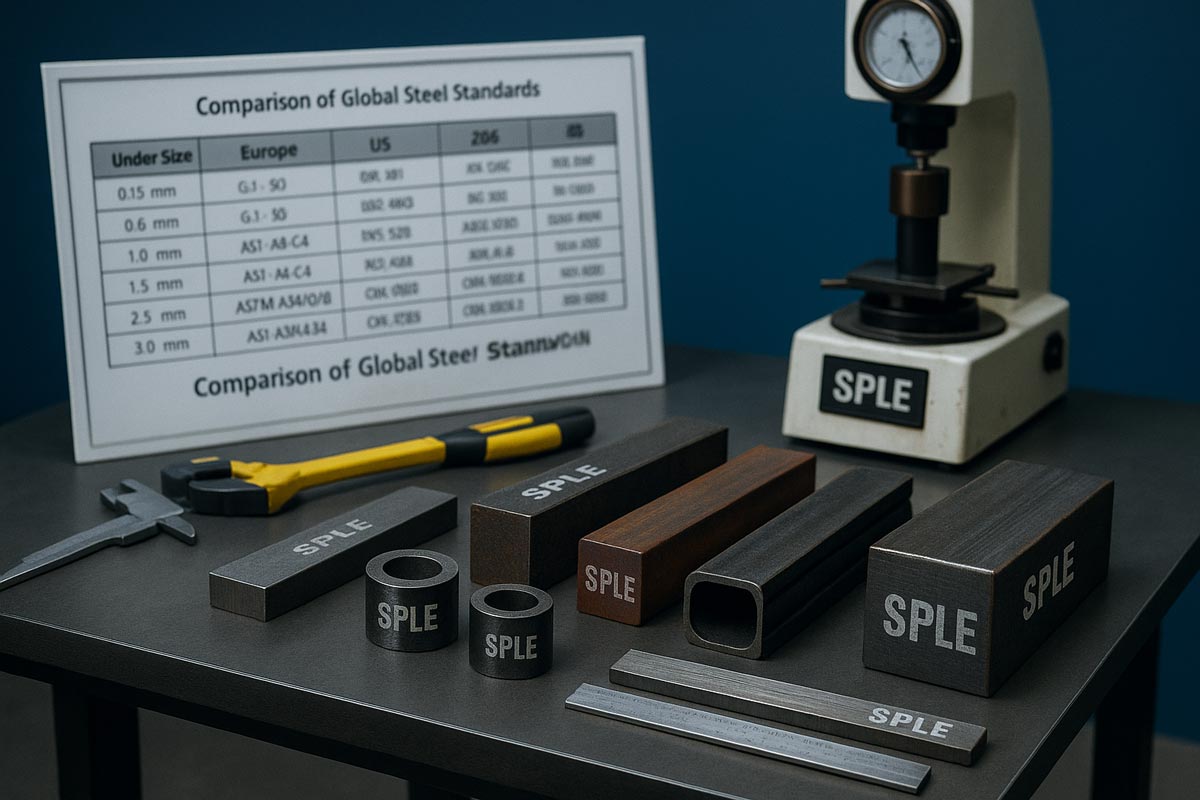
- Standardization and global branding of Iranian steel products.
- Focusing on high-value and specialized steel products.
Conclusion
The global steel market is highly dynamic and competitive. Trade policies, emerging markets, and environmental considerations continue to reshape steel export patterns. For countries like Iran, leveraging geographical and resource advantages while simultaneously investing in technology and innovation is essential to secure a stronger position in international markets.
Sperloos Energy, as an active player in steel exports, is ready to provide consultation, cooperation, and support for entering and expanding in global steel markets. Contact us today for more information and business collaboration.
about
sperloos energy
We create value through quality products and reliable trade.