Introduction
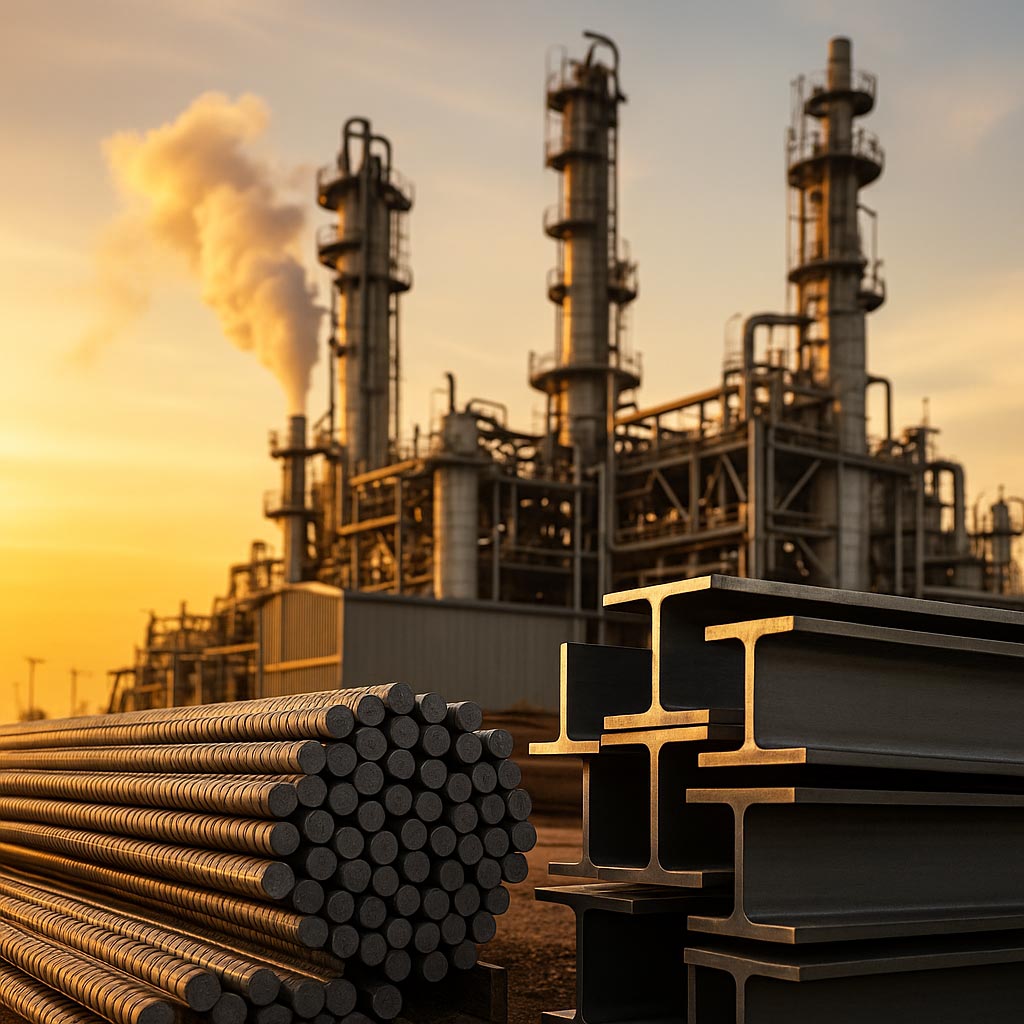
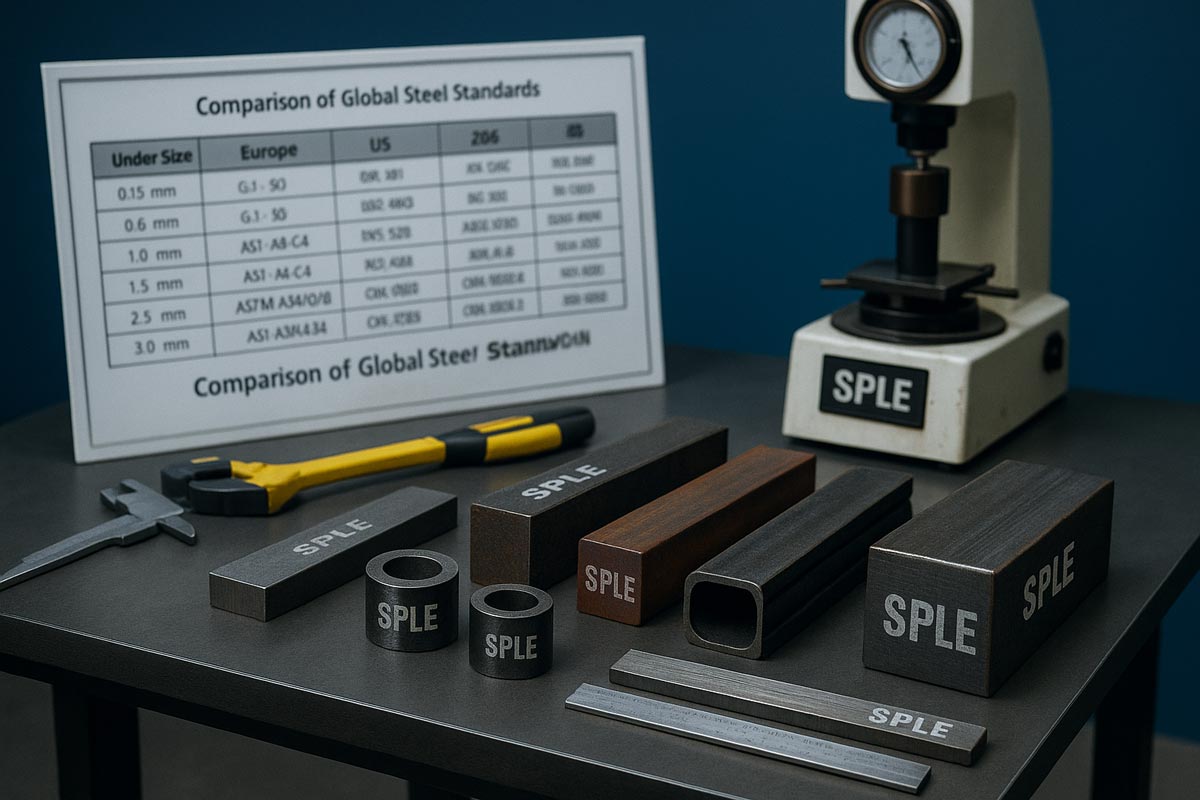
Steel, as one of the most widely used engineering materials worldwide, plays a vital role across industries such as construction, transportation, petrochemicals, and energy. The quality and performance of steel are not only dependent on the production process but also on the standards that define its mechanical properties, chemical composition, and testing methods. Compliance with these standards is crucial for safety, efficiency, and international trade.
The main steel standards are:
- Iran National Standards (ISIRI)
- American Standards (ASTM)
- European Standards (EN)
- Others such as DIN (Germany), JIS (Japan), and GOST (Russia)
This article compares these standards, highlighting their differences, applications, and the importance of compliance for exports.
Part 1: Iran National Standards (ISIRI)
- Developed by the Institute of Standards and Industrial Research of Iran.
- Adapted to local climate conditions and national infrastructure needs.
- Examples: ISIRI 3132 (rebar), ISIRI 1791 (I-beams), ISIRI 3694 (steel plates).
- Strengths: Tailored for domestic needs.
- Weaknesses: Less recognized in international markets.
Part 2: American Standards (ASTM)
- Managed by the American Society for Testing and Materials.
- Globally respected and widely adopted.
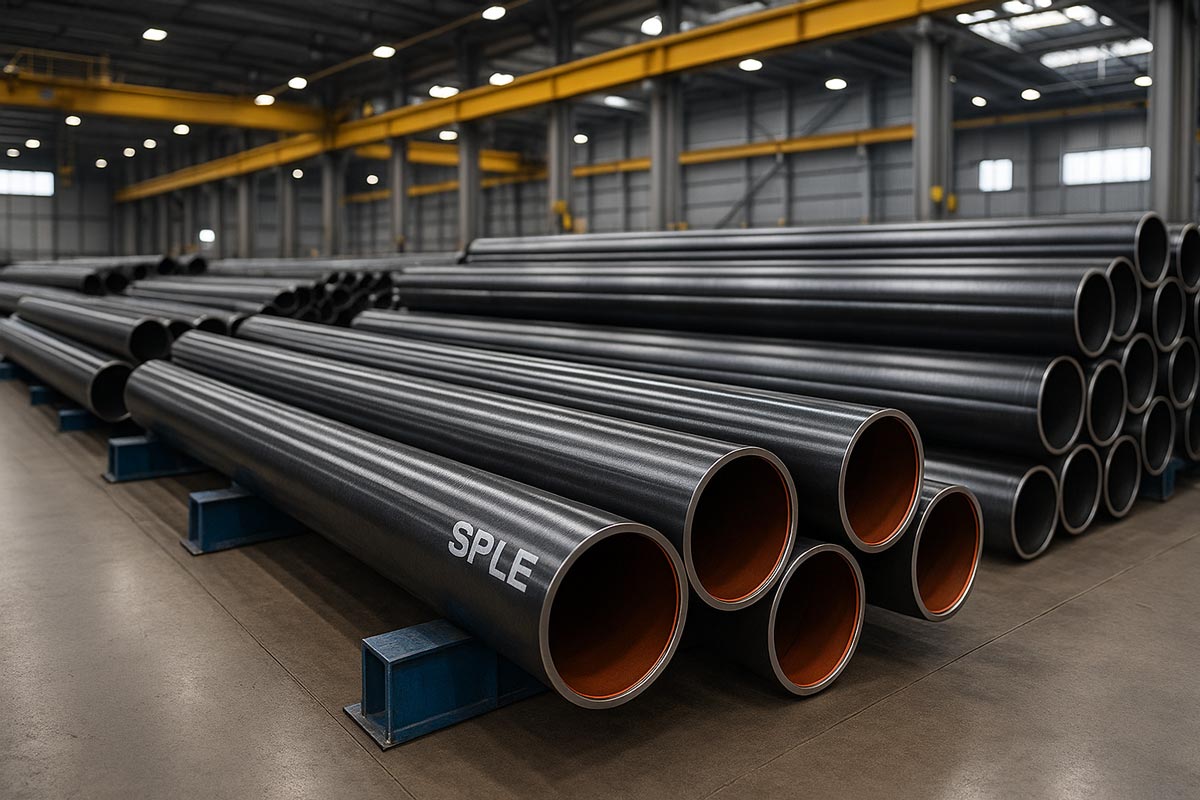
- Examples: ASTM A615 (rebar), ASTM A36 (structural plates), ASTM A53 (pipes).
- Strengths: High international recognition, detailed test methods.
- Weaknesses: High compliance cost.
Part 3: European Standards (EN)
- Developed by the European Committee for Standardization (CEN).
- Strong emphasis on sustainability and safety.
- Examples: EN 10025 (structural steels), EN 10210 (seamless sections), Eurocode 3 (steel structures).
- Strengths: Modern, eco-friendly, harmonized across Europe.
- Weaknesses: Complex for non-EU producers.
Part 4: Other Standards
- DIN (Germany): Precise, widely used in machinery and equipment.
- JIS (Japan): Focused on high quality, used in automotive and electronics.
- GOST (Russia): Designed for harsh climates and large infrastructure projects.
Part 5: Comparative Analysis
- Mechanical Properties: ASTM often defines higher strength ranges; EN emphasizes structural performance; ISIRI aligns with ASTM but is localized.
- Chemical Composition: EN/JIS are stricter with impurities; ASTM allows wider carbon and manganese ranges.
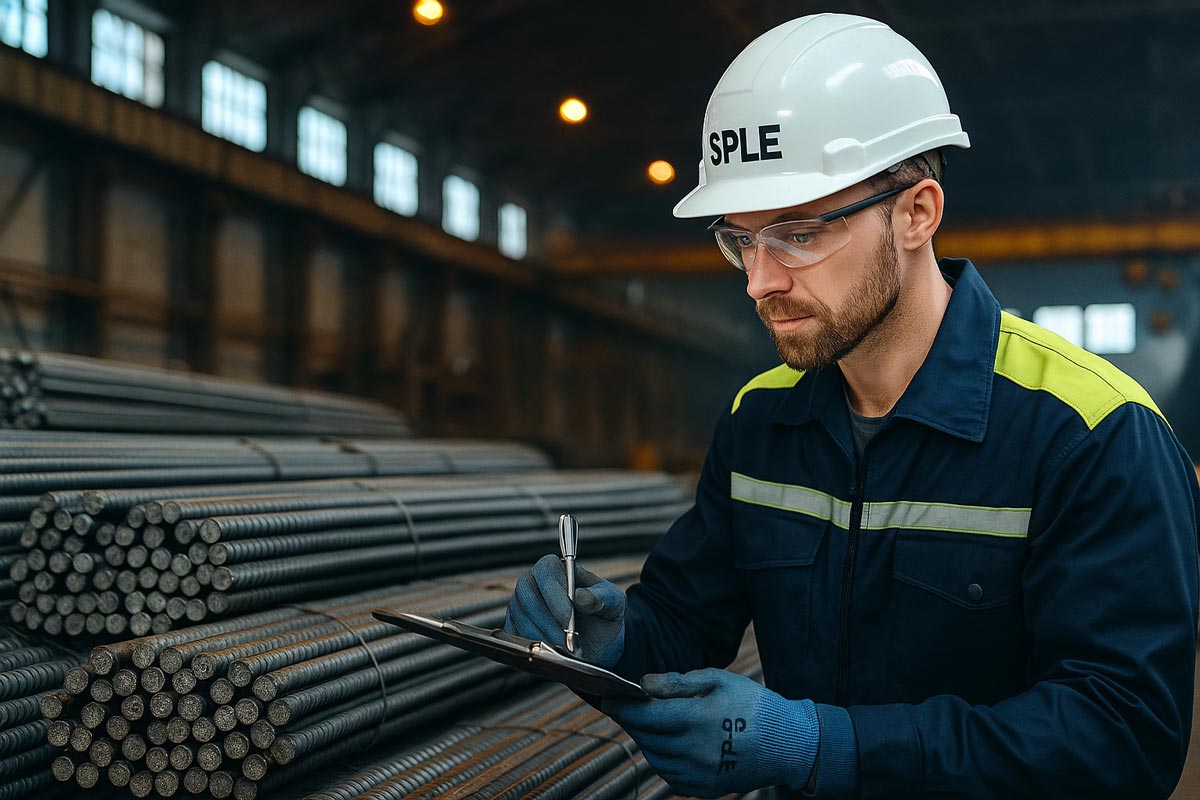
- Testing Methods: ASTM and EN provide detailed procedures; ISIRI often references ASTM methods.
- Global Recognition: ASTM and EN dominate exports; ISIRI is limited to domestic markets.
Part 6: Importance of Standards in Exports
- Builds trust with international clients.
- Enables entry into new markets (EN for Europe, ASTM for Middle East/US).
- Reduces risks of rejection at customs.
- Enhances global competitiveness.
Part 7: Challenges & Solutions
- Challenges: High cost, advanced lab requirements, complexity of multi-standard compliance.
- Solutions: Invest in modern labs, train workforce, partner with global firms for knowledge transfer.
Conclusion
Understanding and complying with steel standards such as ISIRI, ASTM, and EN is essential for both domestic development and global trade. Compliance ensures safety, reliability, and long-term competitiveness.
Call to Action
Sperloos Energy is ready to support your projects with globally certified steel products tailored to international standards.
📞 Contact us today for expert consultation and partnership opportunities.
about
sperloos energy
We create value through quality products and reliable trade.